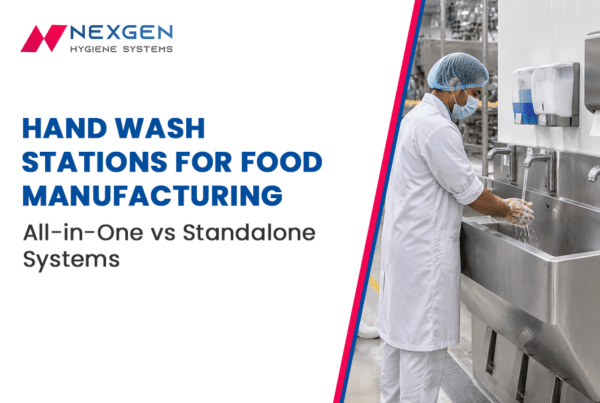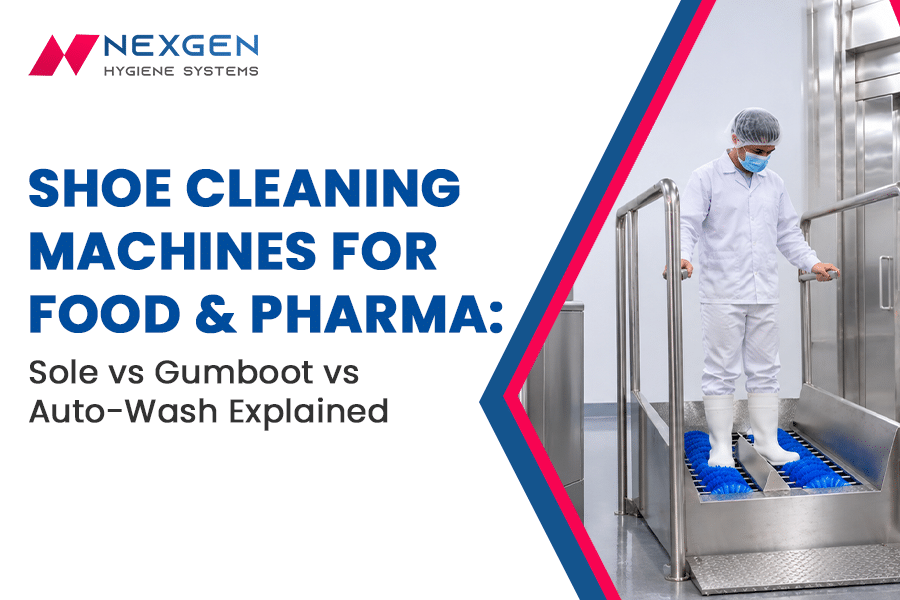
Footwear can transfer dirt and residues between facility areas. In food and pharmaceutical manufacturing, manual shoe or boot cleaning by employees makes entry hygiene difficult to standardise.
The appropriate footwear-cleaning setup depends on employee footwear, facility conditions, and required hygiene steps before entering controlled areas. Dry production areas with work shoes have different needs than wet-processing zones where gumboots are worn.
This guide compares sole-cleaning machines, gumboot-cleaning machines, and automated hygiene stations to help you select the best option for your facility.
Why Footwear Hygiene Matters in Food and Pharma Facilities
Footwear passes through various facility areas each day. Employees may walk through corridors, changing rooms, wet-processing areas, and production zones, carrying dirt and residues on their soles or boots.
A defined entry hygiene procedure helps manage this movement. It should specify permitted footwear, cleaning methods, cleaning locations, and employee actions before entering production.
For food businesses in India, the Food Safety and Standards Authority of India (FSSAI) provides hygiene requirements under its food safety framework. Its guidance for fruit and vegetable businesses also addresses suitable protective footwear and the cleaning of boots and footwear.
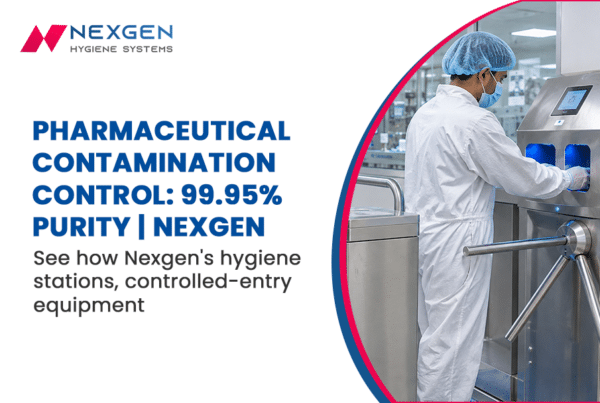
Pharmaceutical facilities must consider GMP requirements, cleanroom classifications, and contamination-control procedures. Equipment should support these requirements, not replace a comprehensive hygiene programme.
Sole Cleaning vs Gumboot Cleaning vs Automated Hygiene Stations
These systems serve different purposes, primarily based on the footwear they handle and the extent of the entry hygiene process they address.
| Equipment Type | Primary Purpose | Best Suited To |
| Sole cleaning machine | Cleans the undersides of shoes and compatible footwear | Facilities where sole contamination is the main concern |
| Gumboot cleaning machine | Cleans gumboots used in wet or demanding production environments | Areas where workers wear gumboots and need a dedicated cleaning process |
| Automated hygiene station | Combines selected footwear hygiene steps with other entry procedures, depending on configuration | Facilities that need a more structured entry hygiene sequence |
The best choice depends on your process. A standalone sole cleaner may suffice at a secondary entry, while facilities with multiple hygiene steps may benefit from an integrated station.
1. Sole Cleaning Machine for Industrial Facilities
An industrial sole cleaning machine setup focuses on the underside of footwear, where dirt and residues can accumulate as people move around the facility.
Nexgen’s sensor-operated sole cleaning machine uses rotating brushes and water jets, and includes disinfection functionality. Process timings and dosing quantities are adjustable via the HMI. Confirm configuration and chemical compatibility before specifying equipment.
When a Sole Cleaning Machine Makes Sense
A sole cleaner is worth evaluating when:
- Employees enter production areas wearing standard work shoes or compatible footwear.
- The facility needs a defined footwear-cleaning step at a controlled entry point.
- Space is limited, and a standalone unit is more practical than a larger hygiene station.
- The main requirement is cleaning the sole rather than the full sides and upper surfaces of boots.
A sensor-operated sole cleaner reduces manual operation. However, sensor activation alone does not guarantee effective cleaning. Cleaning cycles, maintenance routines, and employee movement must still be considered.
Review the Nexgen Sensor-Operated Sole Cleaning Machine to determine its suitability for your application.
2. Gumboot Cleaning Machine for Wet-Processing Areas
Gumboots are used where employees work around water, washdown activities, or wet materials. Their soles and outer surfaces may collect residues that sole-only cleaning units cannot address.
A gumboot cleaning machine is designed for this footwear. Before selecting, determine which boot areas require cleaning and whether the process needs sole cleaning, side-brush cleaning, or both.
Where Gumboot Cleaning Equipment Fits
Consider a dedicated gumboot-cleaning setup when:
- Employees wear gumboots throughout wet-processing operations.
- The facility needs to clean more than the underside of the footwear.
- Boots are used in areas where residues can accumulate on the sides and around the lower sections.
- The entry process needs to account for footwear used in different production zones.
The cleaning procedure should address the specific residues and hygiene risks present. Machines designed for gumboots may not remove all residue types, and cleaning is not the same as validated disinfection.
Nexgen offers a Gumboot Cleaning Machine with an All-in-One Hygiene Station. Discuss cleaning coverage and configuration requirements before selecting a system.
3. Automatic Shoe Cleaning Machine and Integrated Hygiene Stations
An automatic shoe cleaning machine can standardise footwear cleaning at entry points. However, the term covers various configurations, so verify which operations each machine performs.
A standalone unit may focus on sole cleaning, while an integrated station can combine hygiene steps such as footwear cleaning and hand disinfection, depending on the model.
When an Integrated Station Is the Better Fit
A shoe hygiene station may be appropriate when employees must complete multiple hygiene steps before entering production areas.
When assessing an integrated station, check:
- Which cleaning and hygiene steps are included.
- Whether the sequence can be configured for your operating procedure.
- How the system signals cycle completion.
- Whether entry access can be linked to the required hygiene sequence, if needed.
- How the equipment will be cleaned, inspected and maintained.
- Whether the station fits the available space and expected employee movement.
Nexgen’s hygiene station range includes all-in-one and sensor-operated configurations. The hygiene stations range provides an overview of the available options.
An integrated station is not always the best choice. If only sole cleaning is needed, a standalone machine may be more suitable. For multiple coordinated hygiene steps, a configured station may be preferable.
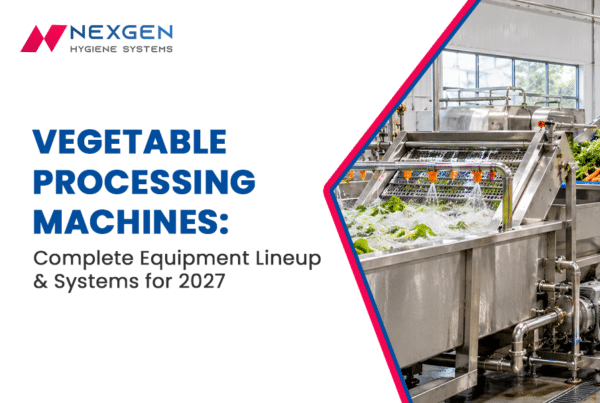
What Is An Industrial Fruit And Vegetable Washer?
An industrial fruit washer machine cleans produce at commercial volumes. Depending on its design, it may use water circulation, agitation, air bubbles, spray systems, or mechanical movement to remove soil and surface contaminants.
These machines are used in operations such as:
- Ready-to-eat and ready-to-cook food manufacturing
- Fruit processing and juice production
- Frozen fruit and vegetable processing
- Fresh-cut produce and packaged salads
- Central kitchens and institutional catering
- Agricultural produce handling and export preparation
The washing method must match the product. Firm root vegetables tolerate different handling than leafy greens or delicate fruits. A machine suitable for potatoes may not work for lettuce or soft berries without proper configuration.
Washing is only one aspect of food safety. Water quality, sanitation, handling, and subsequent processing also impact the final result.
Find the Right Footwear Hygiene System for Your Facility
From sole cleaning to gumboot washing, we help you choose equipment that fits your footwear, entry process and hygiene requirements.
How to Choose the Right Shoe Cleaning Equipment
Before approaching shoe cleaning equipment manufacturers, define the entry hygiene process the equipment needs to support. This makes it easier to compare machines on relevant requirements rather than headline features alone.
1. Identify the Footwear Used
Determine if employees wear standard work shoes, safety shoes, gumboots, or different footwear in separate zones. Confirm the selected machine is compatible with your facility’s footwear types.
2. Define the Required Cleaning Coverage
Decide if the process should address only the soles or additional boot surfaces. If disinfection is needed, specify the process and verify chemical, dosing, and contact-time requirements with technical and hygiene teams.
3. Estimate Employee Movement
Consider the number of people passing through each entry point during shift changes and peak periods. The machine must handle actual flow without causing queues that may lead employees to bypass procedures.
Nexgen states a capacity of up to 10 people per minute for its sensor-operated sole cleaning machine. This is a manufacturer’s estimate, not a guarantee of real-world throughput. Confirm performance for your cleaning cycle and site layout.
4. Review Cleaning and Maintenance Needs
Ask how brushes, water-contact areas, and other components should be cleaned and inspected. Establish who will perform routine maintenance and how worn parts will be managed.
5. Check the Installation Requirements
Confirm space, power, water supply, drainage, and other utility requirements for the proposed configuration. These factors affect installation planning and integration into the existing entry route.
6. Align the Equipment With Your Hygiene Procedure
Equipment should support a documented process employees can follow consistently. Confirm the cleaning sequence, staff responsibilities, maintenance schedule, and records required by your facility’s food safety or pharmaceutical quality system.
Footwear Hygiene Compliance Under FSSAI
Footwear hygiene compliance under FSSAI is a genuine concern for food businesses, but it is important to understand the capabilities and limitations of equipment.
FSSAI’s hygiene framework includes personnel hygiene and suitable footwear practices within a broader food safety management system. A footwear-cleaning machine can support site procedures, but installation alone does not ensure compliance with all requirements.
Food businesses should review relevant FSSAI hygiene requirements and applicable Schedule 4 provisions. Define footwear cleaning methods, equipment maintenance, and employee entry procedures accordingly.
Pharmaceutical manufacturers should apply the same principle to their quality and contamination-control requirements. Equipment selection should be based on actual processes, not general claims of compliance.
What Is the Best Shoe Disinfection Setup for a Food Factory?
The best shoe disinfection setup for food factories depends on the footwear, contamination risks, and the facility’s entry procedure.
A sole-cleaning machine may suit dry production areas focused on cleaning footwear undersides. A gumboot-cleaning machine is better for boots needing cleaning beyond the sole. An integrated hygiene station is appropriate when footwear cleaning is part of a broader entry sequence.
Before finalising a system, confirm the cleaning method is suitable for the residues present. If disinfection is required, verify the disinfectant’s suitability, concentration, and contact time for intended use.
No single machine replaces proper cleaning procedures, staff training, routine maintenance, or monitoring.
Choose Footwear Hygiene Equipment Around Your Process
The right equipment should match your team’s footwear, required cleaning coverage, and the steps employees must complete before entering production.
At Nexgen, we offer standalone sole-cleaning machines, gumboot-cleaning solutions, and integrated hygiene stations for industrial applications. We can help you review entry requirements and identify a suitable configuration.
Need help selecting a footwear hygiene system? Explore Nexgen Hygiene Stations or contact our team to discuss your facility’s requirements.
FAQs
What Is the Difference Between a Sole Cleaning Machine and a Gumboot Cleaning Machine?
A sole cleaning machine focuses on the underside of footwear. A gumboot cleaning machine is designed for gumboots and may clean beyond the sole, depending on configuration. Choose based on the footwear and surfaces requiring cleaning.
Is an Automatic Shoe Cleaning Machine Necessary for Every Food Factory?
Not necessarily. The appropriate system depends on hygiene risks, footwear, and documented entry procedures. A standalone sole cleaner may suit some entry points, while others may require gumboot cleaning or an integrated hygiene station.
Does a Shoe Cleaning Machine Ensure FSSAI Compliance?
No. A machine can support footwear hygiene procedures, but compliance depends on meeting all applicable requirements in the facility’s food safety management system. Review relevant FSSAI provisions and maintain proper procedures and records.
Can a Sole Cleaning Machine Be Used in Pharmaceutical Facilities?
It may be suitable for some applications, but the decision depends on cleanliness requirements, footwear policy, and contamination-control procedures. Confirm suitability with quality and engineering teams before installation.
What Should I Check Before Buying Shoe Cleaning Equipment?
Confirm footwear compatibility, cleaning coverage, throughput, disinfection requirements, utilities, installation space, cleaning access, maintenance needs, and integration with your entry hygiene procedure.
Insights and Updates