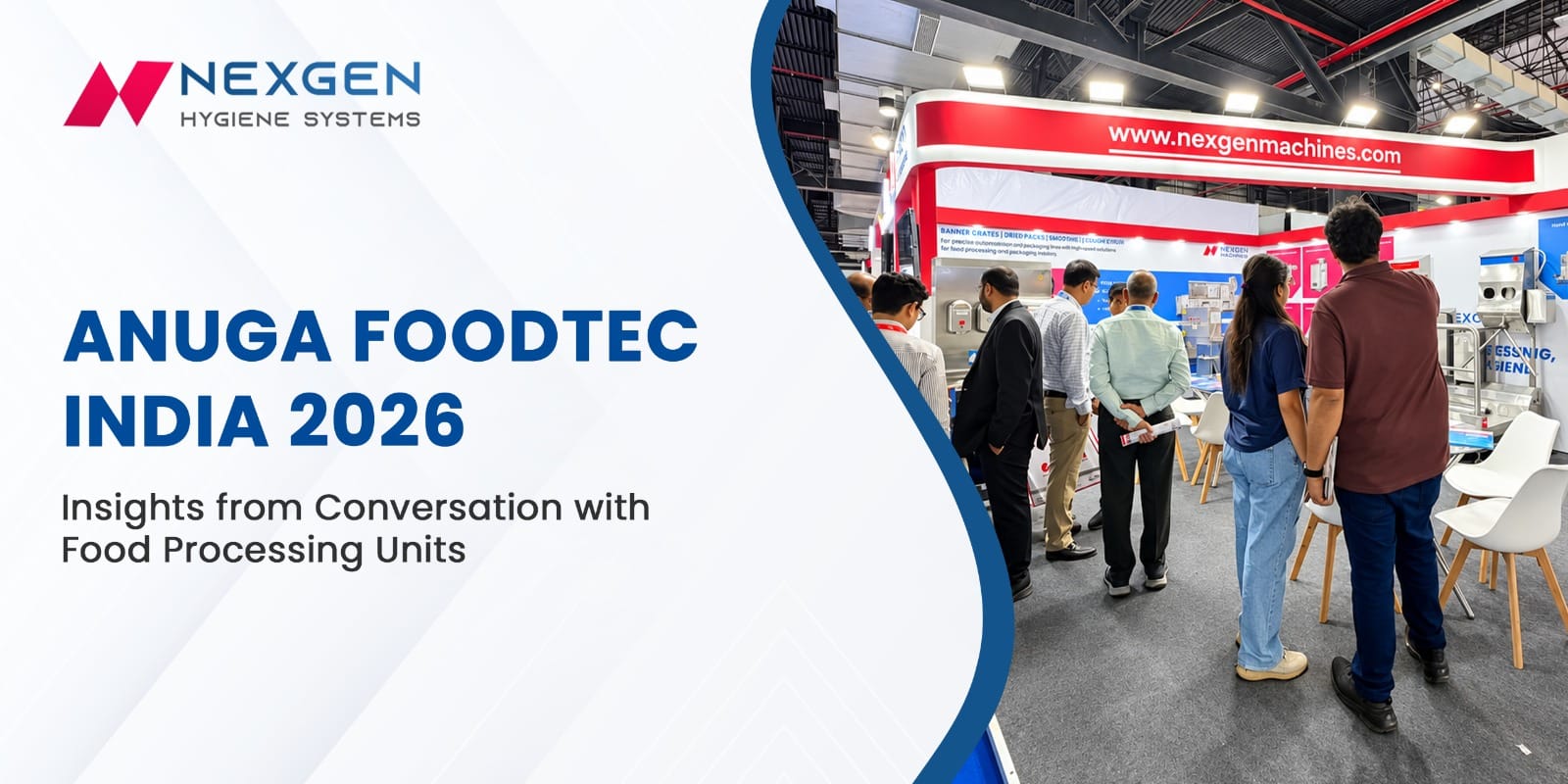
Three days at Anuga FoodTec India 2026 gave us a clear view of what food processors are thinking about when they look at automation.
At Stall D22, discussions went beyond machine capacity and specs. Processors asked about product loss, how much manual work they could reduce, whether their equipment could handle different products, and how each stage of the line would work together.
Many conversations circled back to one area of the plant: the section between raw-material intake and the main processing or packing line.
This is where grading, washing, peeling, cutting, and drying happen. Labour, yield, water use, and product handling here directly affect the rest of the process.
Here are the main takeaways from those discussions.
The Front End Of The Line Is A Bigger Productivity Lever Than It Looks
A processor can invest heavily in cooking, freezing, or packaging and still carry inefficiencies from the stages that come before
Raw materials come in different sizes, shapes, and conditions. They must be sorted, cleaned, peeled, and cut before moving to the next step. Small losses at each stage can add up over time.
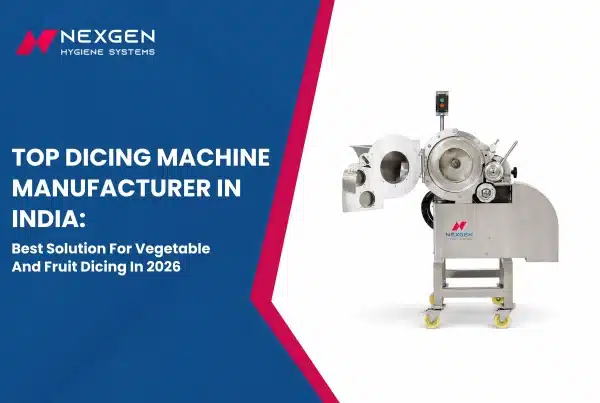
A modern dicing machine helps food manufacturers:
That is why we saw strong interest in equipment that can make these preparation stages more consistent without simply moving the same manual work from one station to another.
For us, one clear theme stood out: people are looking at front-end automation for its impact on the whole line, not just on a single machine.
Yield Matters As Much As Throughput
Peeling made this point especially clear.
When processors consider an onion peeling machine, they often compare capacities. However, the more important factor is how much usable product comes out at the end.
For example, if a plant processes 5 tonnes of onions daily, a one per cent increase in product loss means losing an extra 50 kg each day.
At ₹30 per kg, that works out to ₹1,500 a day, or around ₹4.5 lakh across 300 operating days.
The exact numbers will change depending on the product and its price, but the main idea is clear: yield loss can be more costly than a small difference in machine price.
This is why we encourage processors to evaluate peeling equipment using their own raw material and to look at usable output alongside labour and capacity.
Our onion peeling machines are built for automated peeling, with capacities ranging from 150 to 250 kg per hour, depending on the model.
Flexibility Becomes Important When The Product Mix Changes
Many processors we spoke with do not run just one product all year.
Their lines may handle onion and garlic during one period, followed by other vegetables or different cuts later. Some operations also run multiple products side by side.
This also means their equipment needs can change. Peak cutting capacity matters, but so do changeover time, ease of cleaning, and the ability to make different cuts consistently.
Our vegetable processing machines handle dicing, slicing, shredding, and chopping, with special equipment for leafy vegetables, okra, beans, and onions.
For example, our VD-800 and VD-1200 dicing machines can make different cut sizes and have capacities up to 500 kg per hour, depending on the cut. The discussions at the show highlighted why it’s important to consider these machines based on the real product mix, not just their top-line capacity.
Washing and Drying Are Separate Challenges
Moisture was another topic that came up often.
After washing, some products need to go to the next step with surface water removed. This doesn’t always require thermal drying.
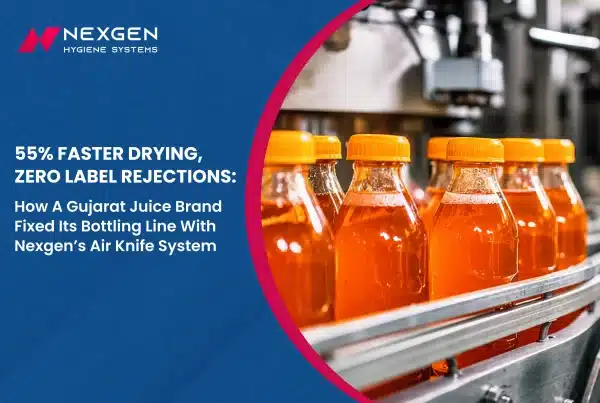
Our air knife drying systems use high-speed air to remove surface moisture from items like bottles and pouches.
This is different from reducing moisture inside the product, where tray drying and similar technologies are used.
This difference affects equipment costs, energy use, and how the line is designed.
The same goes for washing. Throughput is just one factor. Water use, drainage, and cleaning needs are also important when choosing a washer.
For plants processing several tonnes daily, these operating needs can add up over time.
Hygiene Systems Should Match How People Move in the Plant
Automation can reduce how many people handle the product, but it’s still important to control who enters production areas.
This point came up often when we talked about hygiene stations.
A hygiene system works best when it’s placed right at the entrance to the production area and the steps are built into the entry process.
Our hygiene stations combine hand washing, sole cleaning, and disinfection. Sensor-operated models can run the process automatically. For example, the Ecoline Hygiene Station is made for tight spaces and can handle 10 to 15 users per minute.
Match this capacity to your shift patterns.
If many employees arrive at once, the entry system must handle the flow so people don’t skip the hygiene steps.
Plan the Line Before the Machines Arrive
This was probably the most important operational lesson from the show.
A processing line is more than machines placed side by side.
Washers need water and drainage. Pneumatic machines need compressed air. You have to plan for electrical loads. Conveyors must meet at the right heights. Operators and maintenance teams need enough space. Future equipment will also need floor space.
It’s easy to miss these details when buying machines one at a time.
Planning the whole line from the start makes these details much easier to manage.
That’s where our turnkey approach helps. We handle equipment selection, plant layout, automation, installation, commissioning, and training, so we plan all stages together instead of as separate purchases.
Three Key Takeaways from Anuga FoodTec India 2026
- 1. Capacity is just one way to measure performance.Yield, labour, water use, cleaning time, and changeovers can affect operating costs just as much.
- 2. Automation choices are now more focused on the whole process.Processors are considering how a machine affects the whole line, not just its own station.
- 3. Plan your line early in the process. Think about utilities, material flow, hygiene needs, and future expansion before finalising your equipment.
Taking The Conversation Forward
Anuga FoodTec India 2026 gave us three days to talk about real issues in food processing projects, changing raw materials, labour-heavy prep, product loss, moisture, hygiene, and the challenges of linking each stage.
These talks confirmed what we see in our own projects: the best machine fits your process, not just the specs.
Whether you need a vegetable cutting machine, cashew processing equipment, an air knife drying system, a hygiene station, or a full processing line, it all starts with understanding your product, production volume, and bottlenecks.
If you’re planning a new line or want to automate an existing process, reach out to our team to discuss the equipment and setup that will work best for you.
Food Processing Machines | Cashew Processing Machines | Air Knife Drying Systems | Hygiene Stations | Turnkey Food Processing Solutions
Call or WhatsApp: +91 98226 51535
FAQs
What Should Food Processors Consider Before Automating A Production Line?
Before automating, processors should assess product type, daily throughput, labour requirements, yield losses, changeover time, cleaning needs, utilities and available floor space. These factors help determine which stages to automate first.
How Can Food Processing Automation Reduce Product Loss?
Automation can improve consistency in processes such as peeling and cutting, helping reduce excessive peeling, uneven cuts and handling losses. Actual improvement depends on the product, machine settings, and raw-material condition, so trials are important.
How Do You Choose The Right Vegetable Cutting Machine?
Choose a vegetable cutting machine based on the products you process, required cut formats, throughput, changeover frequency, cleaning requirements and available space. Rated capacity alone does not indicate whether a machine suits a multi-product processing line.
What Is The Difference Between Air Knife Drying And Thermal Drying?
Air knife drying removes surface moisture using high-velocity air, making it suitable for bottles, pouches and other external surfaces. Thermal drying is used when moisture needs to be reduced within the product or material itself.
Why Should Food Processing Equipment Be Planned As A Complete Line?
Planning equipment as a complete line helps coordinate utilities, material flow, conveyor heights, drainage, operator access and future expansion. It also reduces the risk of selecting individual machines that work well alone but create bottlenecks when connected.
Insights and Updates