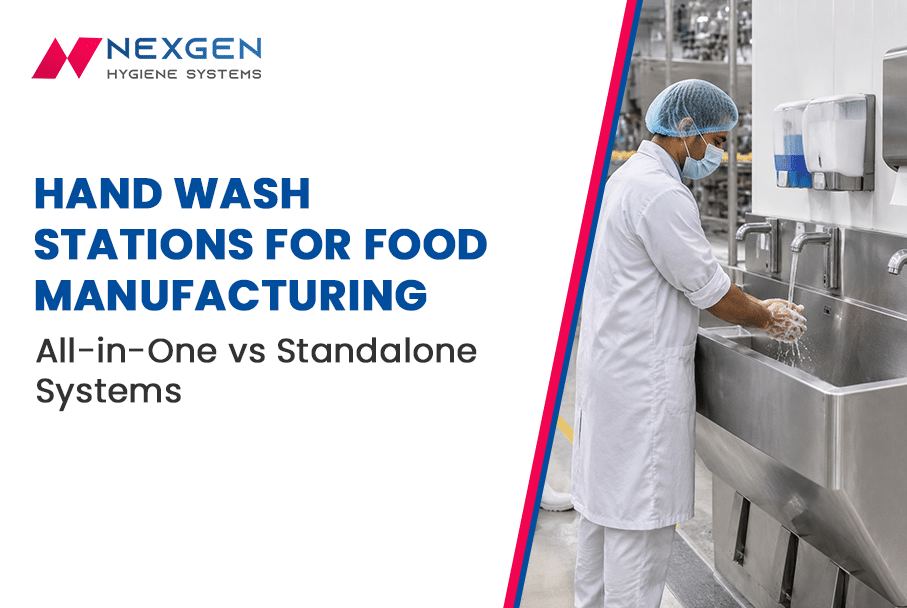
Handwashing is a routine part of food manufacturing hygiene, but how a facility provides access to it matters. A dedicated hand wash station may be sufficient for one production area, while another facility may need a system that combines handwashing, soap dispensing, drying and additional hygiene functions at a single entry point.
The choice often comes down to two setups: standalone hand wash stations with individual hygiene components, or all-in-one systems that bring multiple functions together.
Both serve a purpose. The difference lies in how they fit into your facility, employee movement, available space and hygiene requirements. Here’s how to compare the two before deciding which setup makes sense for your production environment.
What Is a Standalone Hand Wash Station?
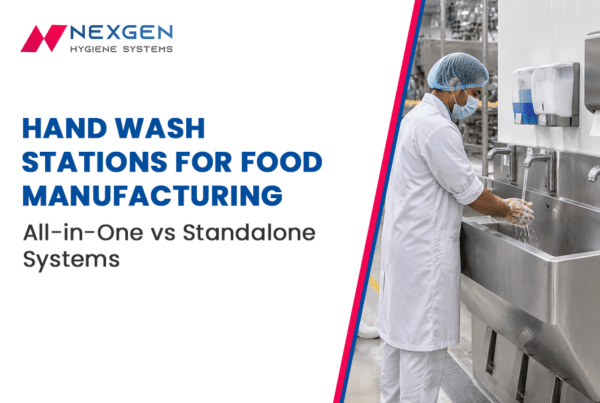
A standalone hand wash station is a dedicated unit for handwashing, installed independently rather than as part of a combined hygiene system. Depending on its design, it can use foot-operated, knee-operated or other hands-free controls to operate the water supply.
Standalone hand wash stations are commonly used when a facility needs washing points at specific locations without installing a larger integrated hygiene system.
Depending on the configuration, the setup may include:
- A stainless steel hand wash basin
- Foot or knee-operated water controls
- Soap dispensing equipment
- Separate hand drying arrangements
- Sanitizer dispenser, where required
The components can be selected according to the facility’s requirements. This makes standalone equipment useful for facilities that already have some hygiene infrastructure or need to add dedicated handwashing points in selected areas.
What Is an All-in-One Hand Wash Station?
An all-in-one hand wash station combines multiple hand hygiene functions within a single unit. Instead of installing separate equipment for washing, soap dispensing and drying, these functions are integrated into one station.
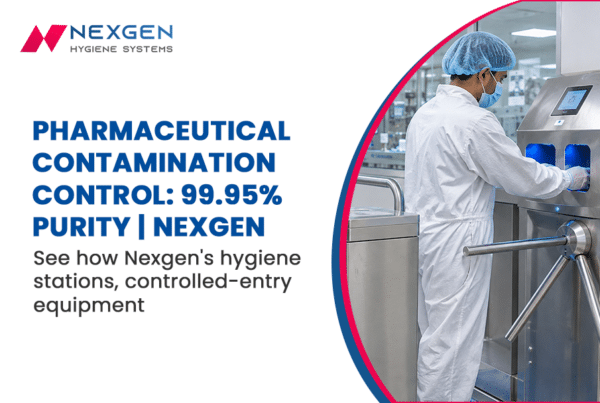
Nexgen’s Sensor Operated All-in-One Hygiene Station combines touchless handwashing, automatic soap dispensing and hand drying in an integrated design. Depending on the configuration, the system can also include hand disinfection, sole cleaning and turnstile-controlled access.
The integrated design makes it suitable for production entry points where several hygiene functions need to be organised within a single location. Sensor operation also reduces the need to touch controls during the handwashing process.
The main difference is that an all-in-one unit brings selected functions together, while a standalone setup allows the facility to arrange individual hygiene components separately.
All-in-One vs Standalone Hand Wash Stations: Key Differences
The right setup depends on the facility’s hygiene requirements, space and existing infrastructure. Here’s how the two options compare.
| Comparison | Standalone Hand Wash Station | All-in-One Hygiene Station |
| Setup | Independent handwashing unit | Multiple hygiene functions integrated into one unit |
| Handwashing | Dedicated wash basin | Integrated handwashing system |
| Soap dispensing | Separate or attached dispenser | Integrated soap dispensing |
| Hand drying | Separate drying arrangement | Integrated drying function |
| Sanitisation | Additional dispenser or equipment, if required | Available in applicable configurations |
| Space requirements | Depends on basin and additional components | Consolidated equipment footprint |
| Installation | Flexible placement of individual components | Installation planned around the integrated unit |
| Hygiene sequence | Functions are managed separately | Functions can be organised within a combined system |
| Best suited for | Facilities needing dedicated washing points or flexible setups | Facilities wanting multiple hygiene functions at a production entry point |
An all-in-one station isn’t automatically the better choice for every facility. If a plant only needs a dedicated handwashing point, a standalone unit may do the job. If several hygiene steps need to be completed at the same entry point, an integrated setup can be more practical.
Which Hand Wash Station Is Better for Your Food Manufacturing Facility?
The better option depends on what your facility needs to accomplish and how employees move into production areas.
When a Standalone Hand Wash Station Makes More Sense
A standalone industrial hand wash station can be a practical choice when:
- You need dedicated handwashing points at different locations.
- Existing sinks, soap dispensers or drying equipment are already installed.
- You want to upgrade individual hygiene points without changing the entire entry system.
- Your hygiene process requires handwashing but doesn’t need multiple functions combined at the same location.
- You want flexibility in positioning or configuring individual components.
For example, a food processing facility with established handwashing infrastructure may only need additional hands-free wash basins at specific production areas. Installing a full all-in-one system at every location may not be necessary.
When an All-in-One Hand Wash Station Makes More Sense
An all-in-one hygiene station is worth considering when:
- Space is limited at the production entry point.
- You want handwashing, soap dispensing and drying in one unit.
- Several hygiene functions need to be organised at the same location.
- You’re designing a new production entry and can plan the hygiene sequence around the equipment.
- You want sensor-operated hand hygiene rather than relying on manually operated components.
For facilities where employees pass through a designated entry point before entering production, integrating hygiene functions at that point can make the process easier to organise and manage.
The decision should be based on the hygiene sequence your facility needs, not simply the number of functions a machine offers.
Not Sure Which Hand Wash Station Fits Your Facility?
Different production areas need different hygiene setups. Tell us about your entry point, available space and hygiene requirements, and we’ll help you identify a suitable handwashing solution.
What to Consider Before Choosing a Hand Wash Station
Comparing the equipment is only one part of the decision. The station also needs to fit the facility’s layout, workforce and hygiene procedures.
1. Available Space
Consider the area where the station will be installed, including clearance for employees to approach, operate and move away from it.
Standalone equipment provides flexibility when handwashing points need to be distributed across a facility. An all-in-one unit consolidates several functions, which can be useful when the entry area has limited space.
2. Employee Traffic and Shift Changes
A station used by a few employees throughout the day has different requirements from one used by an entire production team during shift changes.
Consider the number of employees using the station, the available time for entry and the possibility of queues. The complete entry layout matters as much as the machine itself.
3. Existing Hygiene Infrastructure
If your facility already has handwashing basins, soap dispensers and drying arrangements, adding standalone equipment may be the simpler option.
If you’re setting up a new production area, an integrated station gives you the opportunity to plan multiple functions together from the beginning.
4. Hygiene Requirements at the Entry Point
Not every production area requires the same hygiene sequence. Some require handwashing, while others may also require hand sanitisation and footwear cleaning before employees enter.
A hand wash station with sanitizer dispenser can be appropriate where handwashing and sanitisation are required at the same point. However, a sanitizer dispenser alone does not replace handwashing with soap and water.
5. Cleaning and Maintenance
The equipment should be easy for your team to clean, inspect and maintain. Check access to soap and sanitiser supplies, sensor components, drainage and other parts that need routine attention.
The simpler the maintenance process, the easier it is to keep the station ready for regular production use.
When a Hand Wash Station Isn’t Enough
Handwashing may be only one step in your facility’s hygiene-entry procedure. Depending on the production area, employees may also need to sanitise their hands, clean their footwear or pass through a controlled entry system.
In these situations, choosing between standalone and all-in-one hand wash stations may not address the complete requirement.
An integrated industrial hygiene station can combine several hygiene functions at a designated entry point. Nexgen’s hygiene station range includes configurations for handwashing, hand sanitisation, sole cleaning and access control, depending on the system selected.
For example, a facility that requires employees to wash and sanitise their hands while cleaning footwear before entry may benefit from a combined hygiene station rather than separate equipment installed across the entry area.
The key is to identify every required hygiene step before deciding which equipment to install.
Standalone Hand Wash Stations vs All-in-One: Making the Final Decision
A standalone hand wash station is a suitable option when your facility needs dedicated handwashing equipment and flexibility in how the hygiene infrastructure is arranged.
An all-in-one station is a better fit when you want handwashing, soap dispensing and drying consolidated within one unit. Where additional hygiene steps are required, a more comprehensive hygiene station may be the appropriate choice.
At Nexgen, we manufacture handwashing and integrated hygiene equipment for food processing and other hygiene-sensitive industries. As a hand hygiene station manufacturer, we offer different configurations to suit production entry requirements, space constraints and hygiene procedures.
Rather than selecting equipment based on features alone, evaluate how employees will use it and what needs to happen before they enter the production floor.
Make Your Production Entry a Smarter Hygiene Checkpoint
From standalone hand wash stations to integrated hygiene systems, we’ll help you find a setup that fits your facility, workforce and hygiene requirements.
FAQs
What is the difference between an all-in-one and a standalone hand wash station?
A standalone station provides a dedicated handwashing point, with other hygiene components installed separately if needed. An all-in-one system combines handwashing, soap dispensing and drying within one unit.
Are all-in-one hand wash stations suitable for food manufacturing facilities?
Yes. All-in-one stations can be used at food manufacturing entry points where integrated handwashing, soap dispensing and drying are required. The configuration should match the facility’s hygiene procedures and employee traffic.
Can a hand wash station include a sanitizer dispenser?
Yes. Hand wash stations can be paired with or configured alongside sanitiser dispensing equipment. Handwashing and sanitisation serve different purposes, so the facility should determine whether both steps are required in its hygiene procedure.
When does a food manufacturing facility need a full hygiene station instead of a hand wash station?
A full hygiene station may be suitable when employees need to complete several entry hygiene steps, such as handwashing, sanitisation and footwear cleaning, before entering a production area.
What should I look for in a hand hygiene station manufacturer?
Look for a manufacturer that offers configurations suited to your facility, understands production-entry requirements, provides relevant equipment options and can help match the station to your layout, workforce and hygiene sequence.
Insights and Updates