Cutting vegetables by hand may look inexpensive as a single task.
When production ramps up, the costs add up differently. Labor hours, uneven cuts, extra work, wasted product, overtime, and how much produce you can process per shift all affect the true cost of cutting.
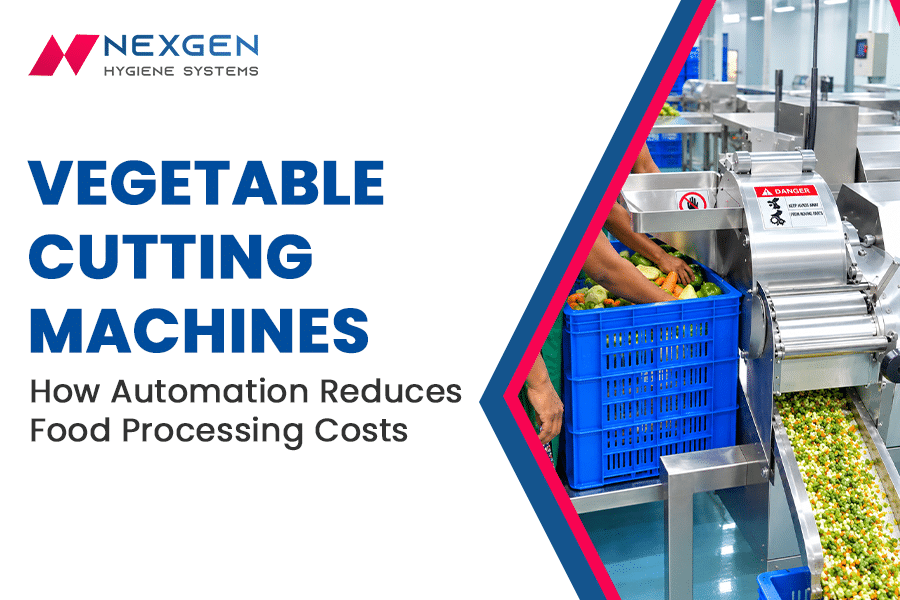
This is where vegetable cutting machines can make a difference. Automating repetitive cutting helps processors rely less on manual labor, get more consistent cuts, and handle more volume without needing to hire as many people.
The key question is whether the savings are worth the investment. To answer that, you first need to know what manual cutting really costs your plant
What Does Manual Cutting Really Cost a Food Processor?
Manual cutting works well when you have low production volumes. But as those volumes grow, it gets harder to keep the process efficient.
Workers might spend hours cutting the same vegetable, sometimes over several shifts. When production peaks, you may need to bring in extra workers or pay overtime just to keep up.
These costs often don’t show up as a separate line in your accounts. Instead, they’re spread out across labor, production time, rework, waste, and unused capacity.
If your business is growing, it’s important to measure the real cost of manual cutting before deciding it’s still the cheapest option. Begin by looking at the numbers from your current process.
A simple baseline can include:
| Cost area | What to measure |
| Labour | Workers involved in cutting × hours worked |
| Throughput | Kilograms processed per hour |
| Overtime | Additional labour required during production peaks |
| Rework | Produce that needs to be cut again |
| Waste | Avoidable trim or unusable pieces |
| Downtime | Time lost when cutting cannot keep up with the next stage |
| Capacity | Production that could not be processed within the available shift |
For example, a processor using four workers for six hours a day should not only calculate their wages.
You should also look at how much produce those six hours actually prepare, how much needs to be recut, and whether the cutting stage is slowing down the next steps in production.
This approach gives you a clearer idea of your plant’s actual cutting costs.
How Vegetable Cutting Machines Change the Cost Equation
Automation affects several parts of the cost calculation at once.
A machine can cut at a steady, consistent rate, so fewer operators can handle more produce. It also makes more uniform cuts, which reduces the variation you often get with manual work.
That can affect three important areas:
Labor: Fewer people may be required for repetitive cutting work.
Throughput: More produce can move through the cutting stage within the same production window.
Consistency: Standardized cutting can reduce rework and make downstream processing more predictable.
The real savings depend on the machine, the product, the type of cut, operating hours, and your current process. So, it’s best to compare automation to your own production data instead of relying on general estimates.
One Machine Can Handle More Than One Cutting Requirement
Vegetable preparation rarely involves one universal cut.
You might need sliced vegetables for one product, diced for another, and strips or shredded pieces for a third. Switching between manual cutting methods can add labor and make it harder to keep output consistent.
Modern dicing equipment can be configured for different cut formats depending on the vegetable and production requirement.
For example, Nexgen’s vegetable dicing machines are built to handle slicing, strip cutting, and dicing. Handling different cutting needs makes the equipment more useful across products and schedules.
The important consideration is not simply how many cuts a machine can make.
The real question is whether those features match the products your plant processes often enough to use the equipment well.
What Should You Automate First?
Not every cutting operation needs immediate automation.
The best places to start are usually repetitive tasks where high volume, labor needs, or consistency already cause measurable problems.
Look closely at cutting operations where:
- The same cut is repeated in large quantities.
- Several workers handle the same preparation task.
- Cutting is slowing the next stage of production.
- Demand is increasing faster than available manpower.
- Operators spend significant time on repetitive preparation.
- Inconsistent cuts are creating rework or quality problems.
- Seasonal production requires additional temporary workers.
This way, you avoid buying equipment just because it’s available, not because you actually need it.
The machine should address a real production bottleneck, either one you have now or one that could appear as your plant grows.
How to Calculate the Savings From Vegetable Cutting Automation
You can build a simple business case using your current operating numbers.
First, estimate the annual cost of manual cutting:
Labor + overtime + rework + avoidable waste + cost of lost production capacity
Then estimate the annual operating cost after automation:
Operators + electricity + maintenance + consumables
The difference between these numbers gives you an idea of your potential yearly savings.
You can then calculate a simple payback period:
Machine investment ÷ annual operating saving = estimated payback period
You don’t need to make this calculation complicated.
The challenge is getting realistic numbers. Labor costs should include the actual shifts involved. Throughput should reflect normal operating conditions, not an ideal production rate. Base rework and waste on plant records wherever possible.
This gives your procurement and production teams a better way to evaluate vegetable cutting equipment.
What Is Manual Cutting Costing Your Plant?
Compare your labor hours, cutting speed, rework, waste, overtime, and unused capacity to what an automated system would need.
Match the Cutting System to the Product
A cutting machine should fit the type of vegetable, the cut style, your production volume, and how you handle the produce.
For example, root vegetables might need different cutting features than leafy ones. A plant making diced ingredients will have different needs than one making sliced vegetables for ready-to-cook meals.
The cut itself also matters.
| Production requirement | What to consider |
| Slicing | Consistent thickness and feed |
| Dicing | Accurate dimensions and repeatability |
| Strip cutting | Cut width and product handling |
| Shredding | Consistent output and suitable feed |
| High-volume production | Continuous operation and throughput |
| Multiple products | Changeover and application flexibility |
So, you should choose vegetable cutting equipment based on your plant’s real product mix, not just its maximum capacity.
Don’t Evaluate the Cutter in Isolation
A faster cutting stage won’t boost your plant’s total output if another part of the process is slowing things down.
Nexgen’s vegetable dicing machine, installed for the preprocessing line of a food packaging plant, illustrates this point.
The plant was initially operating separate washing, peeling, cutting, inspection, and conveyor systems, which created interruptions between stages. After integrating the vegetable dicing machine into the preprocessing line, reported output increased from 8 tonnes per shift to 22–24 tonnes per shift, while labor headcount fell by 30–40%.
When planning to automate your vegetable cutting operation, ensure that the machine has enough supply from the previous step and enough capacity in the next steps to handle its output. Otherwise, you might just move the bottleneck to another part of the process.
If you’re thinking about automating vegetable processing, it’s more useful to look at your whole production flow than just the cutting capacity.
Conclusion: Measure the Cost of Cutting Before You Automate It
Vegetable cutting machines can do more than just cut down on manual labor.
They can help you boost throughput, make cuts more consistent, reduce repetitive tasks, and get more out of your current production capacity.
But you should always start by looking at your current process.
Measure how much labor your cutting stage needs, how much it processes each hour, how often you need to redo work, what happens during busy times, and whether cutting slows down later stages.
These numbers will show you if automation is just another equipment purchase or a real investment that can improve your whole operation.
Need More Cutting Capacity Without Adding More Labor?
Nexgen can help you find the right cutting setup for your production volume, product mix, and downstream needs.
FAQs
What should you consider before buying a vegetable cutting machine?
Start by looking at your needed capacity, the types of vegetables, cut styles, and available labor. Then compare machine speed, flexibility, maintenance, integration needs, and total operating cost to make sure the equipment fits your production.
When does an automated vegetable cutting machine make sense from a financial standpoint?
A vegetable cutting machine is a smart investment when labor costs are high, production is increasing, cutting causes bottlenecks, overtime is common, or you have to redo work. The savings and usage should cover the cost of buying and running the machine.
Can one vegetable cutting machine handle slicing and dicing?
Some machines can handle different cutting styles, like slicing, strip cutting, and dicing. The right setup depends on the vegetable, cut size, production volume, and how easily you want to switch between cuts.
Can vegetable cutting machines handle both hard and soft vegetables?
Yes, but it depends on the vegetable’s texture, size, moisture, and the machine’s cutting method. Hard root vegetables and softer or leafy produce might need different feeding methods, blade setups, or machine settings.
Insights and Updates