
Factory contamination often starts as employees move from outside into controlled work zones. That’s why considering industrial hygiene stations for production and manufacturing facilities has become essential.
Manual hygiene checks are no longer sufficient in food processing, pharmaceutical, beverage, or FMCG plants.
In 2026, more factories will adopt hygiene stations to standardize sanitation, improve audit compliance, and reduce product contamination before production.
This simple but important shift now makes hygiene part of the workflow, not just a routine task.
What Is an Industrial Hygiene Station?
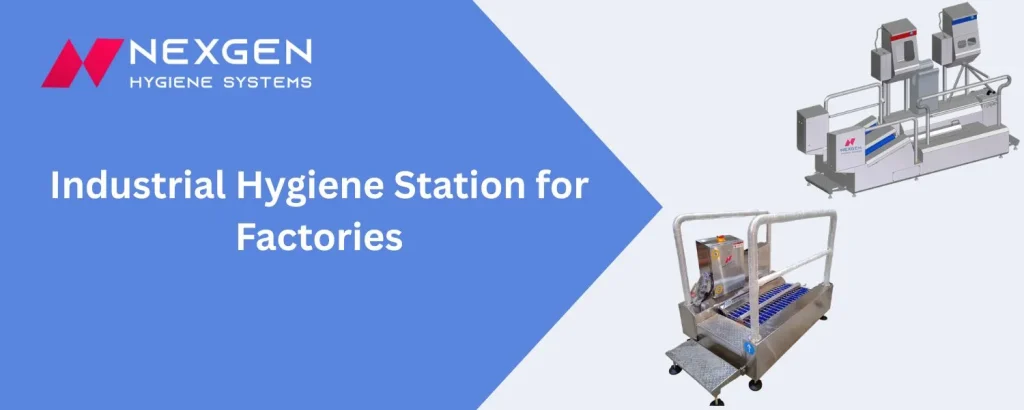
An industrial hygiene station is a sanitation checkpoint placed at the entry or exit of sensitive production areas. It ensures every employee completes the required hygiene steps before entering areas such as food processing lines, packaging rooms, pharmaceutical units, or clean manufacturing spaces.
Unlike standalone sinks or isolated disinfectant points, a modern hygiene station integrates multiple hygiene functions, such as handwashing, touchless sanitization, sole or boot cleaning, and access control, into a single guided workflow.
In advanced systems, employees must complete each hygiene step in order before they can enter. This approach turns hygiene from a policy into a system-enforced process, greatly reducing the risk of missed steps during shift changes.
This difference is important because the real value of a hygiene station lies in the risks it helps prevent, not just in the equipment itself.
Why Factory Entry Points Are the Highest Hygiene Risk
The biggest hygiene risk in any factory comes from people moving around.
Each employee entering the plant can accidentally bring in contaminants on their shoes, hands that aren’t fully clean, uniforms exposed to outside areas, or by moving between controlled and uncontrolled zones.
This is especially important in food manufacturing. Even a small mistake in entry hygiene can affect product safety, shorten shelf life, cause failed audits, or even lead to contamination and expensive recalls.
That’s why hygiene control systems in manufacturing are now seen as essential, not just optional upgrades. They are a key part of the production process.
Once you understand this risk, the next question is: which industries need these systems the most?
Industries Where Hygiene Stations Are Essential
Food Processing and Packaging
Here, the need for hygiene stations is most urgent.
In food processing and packaging, employee hygiene affects safety, shelf life, and compliance. Allowing free movement into production areas raises contamination risks.
A well-designed hygiene station for the food industry helps ensure hand washing, sole cleaning, and sanitizing are performed consistently every time before workers enter key areas.
These systems also help meet GMP, FSSAI, HACCP, and BRCGS quality standards.
Pharmaceutical and Clean Manufacturing
In pharmaceutical and clean manufacturing, controlling contamination is even more critical.
In these settings, an industrial hand-and-boot cleaning station helps control the transition from general areas to regulated production zones. This is especially important for places handling sterile packaging, tablet production, or areas near cleanrooms.
The goal is not just cleanliness, but reliable processes.
FMCG and Beverage Facilities
In busy FMCG and beverage plants, manual checks slow workers and cause inconsistent sanitation during shift changes.
A centralized sanitation station (for industrial use) improves both hygiene compliance and personnel flow, especially during peak entry periods.
This brings up a bigger question: why are hygiene stations becoming essential in 2026?
Let’s look at why these systems are now becoming the standard.
Why Every Factory Needs Reliable Hygiene Systems in 2026
The growing adoption of hygiene stations in factories by 2026 aligns with heightened regulatory scrutiny, frequent audits, and best practices for contamination control and efficient workforce flow.
- FSSAI’s Food Safety and Standards Regulations stress hygiene infrastructure, including handwashing and sanitation at entry points for high-risk foods.
- BRCGS Global Standard for Food Safety (Issue 9) requires robust personal hygiene measures, workwear controls, and monitoring in high-risk areas.
- Updated Indian pharma GMP (Schedule M, 2024) mandates validated cleaning, contamination prevention, and detailed sanitation records.
These standards make hygiene stations valuable by supporting compliance, enabling faster audits, and improving operational efficiency, even if not always required by law.
Rising Compliance Expectations
Factories face stricter hygiene protocols and audits. Standards like HACCP, GMP, FSSAI, and BRCGS require documented entry contamination control.
A simple sink-and-tray setup is often not enough to demonstrate proper hygiene control at entry points.
Reduced Dependence on Manual Supervision
Traditional sanitation routines rely a lot on supervisors and employees following the rules.
This can lead to inconsistency.
Modern factory sanitation equipment standardizes soap dosing, sanitization time, footwear cleaning, and access control, reducing skipped steps and improving repeatability across every shift.
Higher Throughput Requirements
Modern factories can’t afford long lines during shift changes.
Industrial hygiene stations help manage worker flow efficiently while maintaining hygiene standards.
This is how hygiene infrastructure supports both compliance and smooth operations.
Manual Sanitation vs Automated Hygiene Stations
Many factories are replacing separate wash points with integrated hygiene control systems. The difference becomes clear when you compare the two approaches.
| Evaluation Factor | Manual Hygiene / Sanitation | Automated Hygiene Stations |
|---|---|---|
| Compliance Approach | Depends on human discipline | Workflow-driven compliance |
| Process Flow | Steps can be skipped | Guided sequence |
| Monitoring | Difficult to monitor | Easier audit readiness |
| Shift Efficiency | Slower during shift changes | Higher throughput |
| Execution Quality | Inconsistent execution | Standardized hygiene |
Use Case of Hygiene Station: Dairy Processing
A good example is Dairy Processing Company (DPC), which makes milk, cheese, butter, and yogurt for both local and export markets.
Before installing hygiene stations, DPC struggled with inconsistent hygiene during shift changes and busy times. Relying on manual checks for handwashing, sanitizing, and shoe cleaning led to slowdowns and increased the risk of contamination in busy areas.
To fix this, the company installed NexGen Hygiene Stations in key production areas over six weeks, including milk processing, yogurt and cheese lines, and final packaging zones.
The results were impressive:
- 97% hygiene compliance rate
- 25% increase in production efficiency
- smoother shift transitions with reduced bottlenecks
- easier compliance with HACCP and ISO 22000
- successful international audit approvals for export markets
This real-world example highlights clear benefits: improved food safety compliance, increased plant efficiency, smoother shift changes, and easier international audit approvals due to the hygiene station system.
For factory managers, the main point is clear: investing in reliable hygiene stations yields direct benefits in food safety, reduced operational risk, improved compliance, and adaptation to rising industry standards.
By embedding hygiene into every shift and maintaining consistent procedures, factories secure product quality, gain audit advantages, and protect their reputation in competitive markets.
How to Choose the Right Hygiene Station
Start by looking at your workflow, not just the equipment specs, when choosing the right system.
Ready-to-eat food plants, dairy facilities, and pharmaceutical lines need stricter hygiene controls than general factories. For example, food plants often need touchless handwashing, disinfection, sole cleaning, turnstile access, and stainless-steel construction.
The right choice should always match:
- workforce size
- shift throughput
- compliance obligations
- plant layout
- industry risk sensitivity
Here’s a step-by-step guide to help you choose the best industrial hygiene station for your facility’s safety, compliance, and unique needs:
- Assess Your Facility’s Hygiene Risks: Find out where the main hygiene risks are, like entry points, changing areas, or places with lots of movement.
- Map Workforce Movement and Workflows: Watch how employees move during busy times and shift changes to spot bottlenecks and hygiene gaps.
- Consult Compliance and Quality Teams: Check your industry’s regulations and certification needs to make sure the system meets all standards.
- Shortlist Required Features: After assessing risks and compliance needs, list the most important features for your hygiene station, like touch-free operation, access control, custom modules, or a compact size.
- Compare Vendors and Solutions: Look at suppliers’ industry experience, after-sales support, ability to customize, and track record in similar industries.
Implementation, ROI, and Vendor Selection: What Factory Managers Should Consider
When adding a hygiene station to an existing facility, start by mapping your workflow rather than focusing solely on equipment.
First, look at how people move, how many shifts you have, and how much space is at the entry points. Once you know this, you can set up the system to handle hand washing, sanitizing, sole cleaning, and access control.
For most existing factories, installation time depends on the plant’s readiness and any required building changes. Smaller systems can often be installed in a few days, while larger setups may need more planning and utility work.
ROI and Payback Considerations
The return on investment usually comes from clear operational improvements, like lower contamination risk, fewer audit issues, less need for supervision, and faster shift changes.
For food and pharma plants, the real value is often in avoiding compliance problems, recalls, and downtime, rather than just saving money directly.
Maintenance and Training
Routine maintenance should include dispenser checks, inspection of the brush and sole-cleaning module, sensor calibration, replenishment of sanitization fluid, and periodic SOP training for staff.
A reliable supplier should also provide commissioning support, preventive maintenance schedules, and operator training.
Choosing the Right Vendor
When evaluating a supplier, factory managers should assess:
- industry experience
- compliance expertise
- customization capability
- build quality
- after-sales service
- spare part availability
- case studies in similar industries
In regulated industries, a vendor’s ability to design effective workflows is often more important than the equipment price alone.
Build a Compliance-Ready Entry Workflow
A hygiene station is more than new equipment. It is the first engineered barrier against contamination, inconsistent cleaning, and audit risks.
If your factory plans an upgrade in 2026, focus on building a workflow that improves both hygiene and efficiency.
Nexgen designs hygiene control systems for manufacturing environments that meet the needs of food, pharma, FMCG, and industrial production.
Contact us today to discuss your facility’s hygiene needs. We will recommend solutions that match your compliance and operational goals.
FAQs
What is an industrial hygiene station?
An industrial hygiene station is a controlled-entry sanitation system that ensures employees complete handwashing, sanitization, and sole or boot cleaning before entering sensitive production zones, helping reduce contamination risks and improve compliance in factories.
Which industries need hygiene stations for factories?
Hygiene stations for factories are essential in food processing, pharmaceuticals, FMCG, beverage manufacturing, and clean production units where employee movement can introduce contaminants and compromise hygiene, safety, or compliance requirements.
Is factory sanitation equipment necessary for food plants?
Yes, factory sanitation equipment is increasingly essential for food plants to maintain hygiene standards, prevent contamination, improve audit readiness, and support compliance with HACCP, GMP, FSSAI, and BRCGS requirements.
How does an industrial hand and boot cleaning station work?
An industrial hand-and-boot cleaning station guides employees through hand washing, sanitization, and sole or boot cleaning, often linked to access control, so entry is granted only after completion.
How do I choose the right sanitation station for industrial use?
Choose a sanitation station for industrial use based on your industry risk, compliance requirements, workforce size, shift throughput, and plant layout. Food and pharma facilities often need automated, access-controlled systems, while smaller plants may need compact modular units. The right choice should balance hygiene control, smooth employee flow, and available installation space without creating bottlenecks.