
Turnkey equipment for efficiently expanding the production capacity or building new processing facilities, finding the right engineering partner becomes a challenge. When evaluating industrial kitchen equipment manufacturers, facility managers must distinguish between vendors offering individual machines and those providing integrated solutions where washing, drying, hygiene enforcement, and material handling function as a coordinated system.
Large-scale kitchens and food processing facilities require more than standalone machines. They rely on heavy-duty commercial kitchen equipment, automated processing systems, and sanitation infrastructure that can operate continuously under demanding production schedules.
For many businesses, the evaluation process focuses on manufacturers capable of delivering turnkey commercial kitchen solutions that integrate preparation, processing, washing, drying, and automation into a single operational framework.
This article examines how to evaluate industrial kitchen equipment manufacturers, the types of equipment required in modern food processing environments, and the capabilities that distinguish reliable commercial kitchen machinery suppliers from basic equipment vendors.
The Role of Industrial Kitchen Equipment Manufacturers in Food Processing
Industrial food operations rely on equipment that supports high production volumes, continuous operation, and strict sanitation requirements. Unlike small commercial kitchens, large facilities must process ingredients quickly while maintaining consistent product quality and regulatory compliance.
Industrial kitchen equipment manufacturers design machines and integrated systems that support these operational requirements. Their equipment is engineered for durability, ease of sanitation, and compatibility with automated production workflows.
A typical food processing environment includes several interconnected stages:
- Raw ingredient preparation
- Cleaning and washing
- Processing and cooking
- Moisture removal and drying
- Packaging and storage
Manufacturers supply machinery that supports each stage while ensuring that the overall system operates efficiently.
Types of Equipment Offered by Industrial Kitchen Equipment Manufacturers
Large-scale kitchens and food processing plants require several categories of equipment. Reliable commercial food processing equipment manufacturers typically provide machinery designed for preparation, processing, sanitation, and workflow automation.
Food Preparation and Processing Equipment
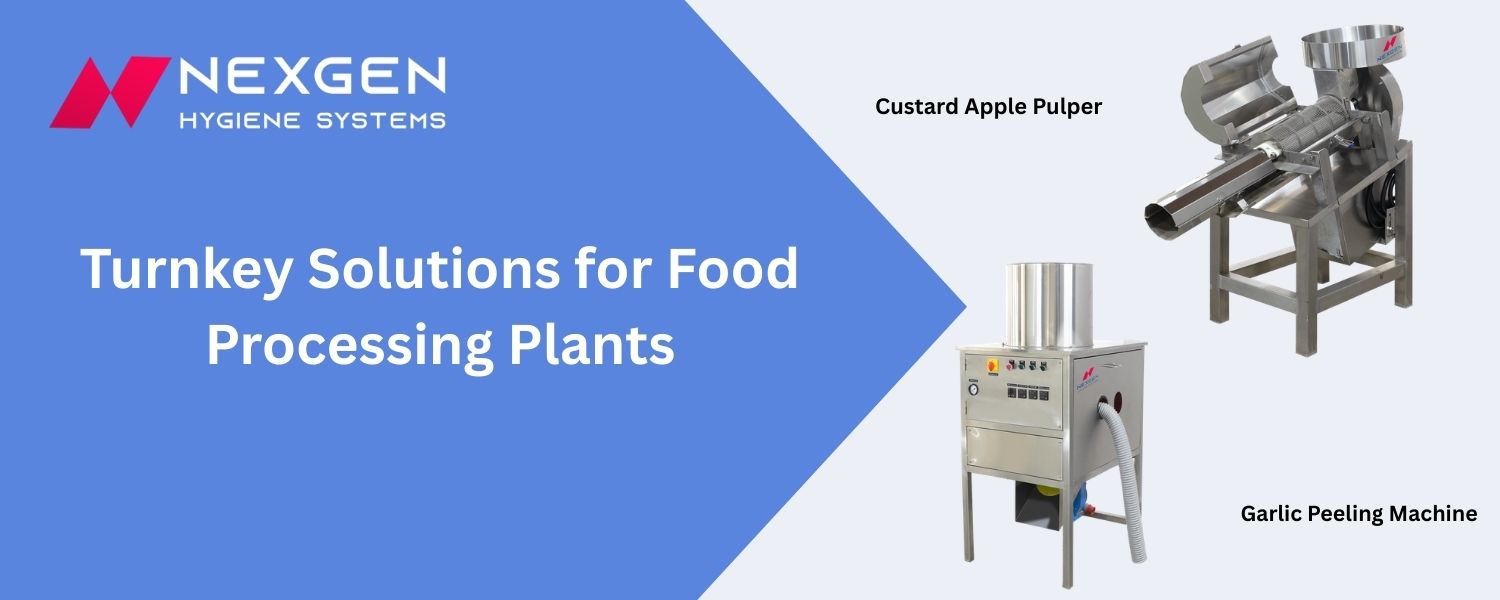
Preparation machines handle the initial stages of food processing. Many large facilities rely on top kitchen processing equipment to maintain consistent throughput across production shifts.
This equipment increases efficiency and reduces manual labor while ensuring consistent ingredient preparation.
Common equipment includes:
- Vegetable Cutters and Slicers
- Shredding Machines
- Peeling Equipment
- Dough Mixers and Kneaders
- Grinding and Blending Machines
Cooking and Thermal Processing Equipment
Cooking equipment forms the core of many commercial kitchen operations. Industrial systems must maintain precise temperature control while handling large ingredient volumes.
Typical machines include:
- Industrial Cooking Kettles
- Commercial Ovens
- Steam Cooking Systems
- Large-scale Frying Equipment
These machines are designed to operate continuously and maintain uniform cooking conditions across batches.
Commercial Washing and Drying Equipment
Sanitation systems are essential in food production environments. These systems remove residues and moisture before equipment re-enters the production workflow.
Commercial washing & drying equipment ensures that containers, trays, utensils, and equipment surfaces remain clean throughout production cycles.
Examples include:
- Industrial Dishwashers
- Crate Washing Systems
- Container Cleaning Machines
- Drying Stations for Containers and Equipment
Hygiene Equipment for Commercial Kitchens
Food safety standards require strict sanitation controls within processing environments. These systems help prevent contamination and maintain regulatory compliance.
Hygiene equipment for commercial kitchens helps maintain controlled entry and sanitation protocols.
Typical hygiene systems include:
- Hand Sanitation Stations
- Boot Cleaning Machines
- Hygiene Entry Control Systems
- Sanitation Tunnels
Why Many Food Businesses Prefer Turnkey Commercial Kitchen Solutions
As food production operations scale, integrating equipment from multiple vendors becomes increasingly difficult. Machines may operate at different speeds or require different utility connections, creating inefficiencies in production workflows.
Many manufacturers now prefer turnkey commercial kitchen solutions where equipment supply, plant layout design, installation, and commissioning are handled through a single integrated project.
Simplified Procurement
Working with a supplier capable of delivering an integrated system reduces the complexity of managing multiple equipment vendors.
System Compatibility
Machines designed within the same system architecture operate more efficiently together, preventing bottlenecks and workflow disruptions.
Faster Installation
Turnkey systems allow facilities to move from installation to production more quickly compared with assembling equipment individually.
Consistent Hygiene Management
Integrated systems ensure that sanitation equipment, washing stations, and drying systems operate continuously within the production workflow.
What to Look for in Industrial Kitchen Equipment Manufacturers
When comparing commercial kitchen machinery suppliers, buyers typically evaluate several technical and operational factors.
Manufacturing Experience
Established manufacturers have experience designing equipment for various sectors such as food processing plants, institutional kitchens, and large restaurant operations.
Equipment Durability
Industrial machines must withstand continuous operation and frequent sanitation procedures. Durable construction materials such as stainless steel improve equipment longevity.
Engineering and Customization Capabilities
Reliable suppliers offer customization options to match the specific requirements of a food production facility.
System Integration Expertise
Manufacturers should demonstrate the ability to design equipment that integrates seamlessly into automated production lines.
Technical Support and Maintenance
Ongoing technical support is important for maintaining long-term equipment reliability.
Comparing Industrial Kitchen Equipment Manufacturers
Businesses evaluating equipment suppliers often compare manufacturers based on several operational capabilities.
This comparison framework helps buyers identify food processing kitchen equipment manufacturers capable of supporting large-scale production operations.
| Evaluation Factor | What Buyers Should Look For |
|---|---|
| Equipment Range | Ability to supply preparation, processing, washing, and hygiene equipment |
| Customization | Capability to design machines for specific production requirements |
| Automation Integration | Compatibility with automated production workflows |
| Hygiene Design | Equipment built for sanitation and regulatory compliance |
| Installation Services | Experience in turnkey machinery installation |
| Technical Support | Reliable service and maintenance infrastructure |
The Growing Role of Automation in Commercial Food Processing
Automation is increasingly shaping the design of modern food production environments. Many large kitchens now rely on automated kitchen processing equipment to improve efficiency and maintain consistent product quality.
Higher Production Efficiency
Automated systems allow production lines to operate continuously without interruptions caused by manual handling.
Reduced Labor Dependency
Automation reduces the number of repetitive tasks performed by staff while improving workflow efficiency.
Consistent Product Quality
Digital control systems maintain precise processing conditions, ensuring uniform results across batches.
Automation technologies allow food manufacturers to scale operations without compromising quality standards.
Hygiene Infrastructure in Large Commercial Kitchens
Food production environments require strict sanitation controls to prevent contamination and maintain product safety.
Controlled Hygiene Entry Points
Sanitation checkpoints ensure that personnel entering production areas follow hygiene procedures.
Equipment Cleaning Systems
Industrial washing equipment ensures that utensils, trays, and containers remain clean throughout production cycles.
Separation of Wet and Dry Zones
Large facilities often separate washing areas from dry food preparation zones to reduce contamination risks.
These sanitation practices are supported by hygiene equipment for commercial kitchens designed to maintain controlled production environments.
How Industrial Kitchen Equipment Supports Food Processing Plants
Food processing plants often operate on a much larger scale than traditional commercial kitchens. However, many equipment categories remain similar.
Processing plants require machinery for ingredient preparation, washing, processing, and packaging. Equipment from commercial food processing equipment manufacturers often integrates into larger production lines where conveyors and automation systems connect multiple machines.
This integration allows food processing plants to maintain consistent throughput and product quality while meeting strict sanitation standards.
Trends Influencing Industrial Kitchen Equipment Manufacturing
The food industry continues to evolve as technology improves and production requirements increase.
Automation and Digital Monitoring
Modern equipment increasingly includes sensors and monitoring systems that track production performance.
Energy Efficient Machinery
Manufacturers are developing machines that reduce energy consumption while maintaining high output.
Advanced Hygiene Systems
Food safety regulations continue to drive improvements in hygienic equipment design.
Integrated Production Systems
More manufacturers are offering turnkey commercial kitchen solutions where preparation, processing, washing, drying, and automation systems operate within a unified production environment.
Conclusion
Selecting the right equipment partner plays a critical role in building efficient food processing operations. Industrial kitchen equipment manufacturers provide the machinery and engineering expertise required to support large-scale production while maintaining strict hygiene standards.
From preparation machines and automated processing systems to sanitation infrastructure and commercial washing & drying equipment, modern food facilities rely on durable and well-integrated machinery to sustain production efficiency.
Businesses evaluating commercial kitchen machinery suppliers should focus on manufacturers capable of delivering reliable equipment, customization capabilities, and integrated systems that support long-term operational performance.
As food production continues to expand, partnerships with experienced commercial food processing equipment manufacturers will remain essential for building scalable and hygienically engineered processing environments.
FAQs
What do industrial kitchen equipment manufacturers produce?
Industrial kitchen equipment manufacturers design and manufacture machines used in large-scale food preparation and processing environments. Their equipment includes preparation machines, cooking systems, washing and drying equipment, and hygiene infrastructure used in food processing plants and commercial kitchens.
What is heavy-duty commercial kitchen equipment?
Heavy-duty commercial kitchen equipment refers to machinery designed for continuous operation in large kitchens and food processing facilities. These machines are built with durable materials such as stainless steel and are designed to withstand frequent cleaning and high production volumes.
What are turnkey commercial kitchen solutions?
Turnkey commercial kitchen solutions involve designing, supplying, installing, and commissioning complete kitchen or processing systems. These solutions integrate preparation equipment, processing machines, sanitation systems, and automation technologies within a single coordinated project.
Why is washing and drying equipment important in commercial kitchens?
Commercial washing and drying equipment helps maintain hygiene in food production environments. These systems clean containers, utensils, and equipment surfaces while removing moisture that could interfere with food safety and packaging processes.
How do automated kitchen processing systems improve efficiency?
Automated kitchen processing equipment improves efficiency by reducing manual labor, maintaining consistent production conditions, and allowing machines to operate continuously within integrated production lines.