
In any manufacturing plant, hygiene is not just important; it’s a non-negotiable priority. Whether you’re in the food processing, pharmaceutical, automotive, or electronics industry, maintaining a clean environment is critical for both safety and compliance. With stricter hygiene regulations and a growing concern over contamination risks, the need for effective hygiene solutions has never been more urgent.
One often-overlooked yet essential component of a manufacturing plant’s hygiene strategy is the sole cleaning machine. These machines play a key role in ensuring contaminants like dirt, bacteria, and germs are removed from workers’ footwear before entering sensitive areas. In this blog, we’ll explore why sole cleaning machines are becoming indispensable in maintaining plant hygiene and how they contribute to a safer, cleaner, and more efficient workplace.
The Role of Sole Cleaning Machines in Manufacturing Plant Hygiene
The journey of contamination often begins at the very entrance of a manufacturing plant. Contaminants can be carried in from the outside world on workers’ shoes, especially in industries where cleanliness is paramount. The soles of shoes can pick up dirt, dust, and harmful microorganisms that, if not removed, can make their way into production areas, resulting in quality issues, production delays, and compliance concerns.
Sole cleaning machines help prevent this by efficiently cleaning and sanitizing the footwear before employees enter sensitive production zones, clean rooms, or packaging areas. By acting as the first line of defense, these machines significantly reduce the spread of contaminants and ensure that workers step into a clean environment.
Learn More About Our Hygiene Solutions
Ensure Plant HygieneKey Benefits of Sole Cleaning Machines for Manufacturing Plants
1. Reduce Contamination Risks
The most obvious benefit of sole cleaning machines is their ability to remove dirt and germs from footwear before they enter production areas. This ensures that contaminants from outside sources don’t get tracked into sensitive manufacturing spaces. Whether you’re dealing with food products or electronics, reducing contamination risks is vital for maintaining product quality and safety.
For example, in food processing plants, contaminants like dirt, chemicals, and bacteria on shoe soles can easily compromise the hygiene of the entire facility. By using a sole cleaning and sanitizing machine, you can prevent these contaminants from making their way into clean areas.
2. Enhance Compliance with Hygiene Regulations
Stringent hygiene standards are a major concern in industries like food processing and pharmaceuticals. Regulations such as GMP (Good Manufacturing Practices) and FSSAI (Food Safety and Standards Authority of India) require that plants maintain high levels of cleanliness, especially in critical areas.
Sole cleaning machines play a key role in helping manufacturing plants meet these hygiene regulations. By providing a reliable and consistent way to clean footwear, these machines make it easier to comply with standards and avoid costly penalties or shutdowns due to non-compliance.
3. Improve Workplace Safety
Contaminants such as oils, dust, or slippery substances can easily accumulate on the soles of shoes, leading to workplace accidents. In an environment like a food processing plant or a pharmaceutical facility, this can be especially dangerous. A sole cleaning machine removes these hazards, ensuring workers don’t inadvertently track harmful substances into production areas.
By preventing slips, trips, and falls caused by contaminants on footwear, these machines contribute to a safer working environment for your employees.
4. Cost Savings
While sole cleaning machines are an upfront investment, they can lead to significant cost savings over time. With these machines in place, you’ll reduce the need for frequent floor cleaning and sanitization. By keeping the floor cleaner, you minimize the need for intensive cleaning sessions, which can be both time-consuming and expensive.
Moreover, eliminating contamination risks means fewer product rejections, reducing waste and improving overall production efficiency.
Invest in Safety and Efficiency
Get a Quote TodayWhy Sensor-Operated Sole Cleaning Machines Are the Future
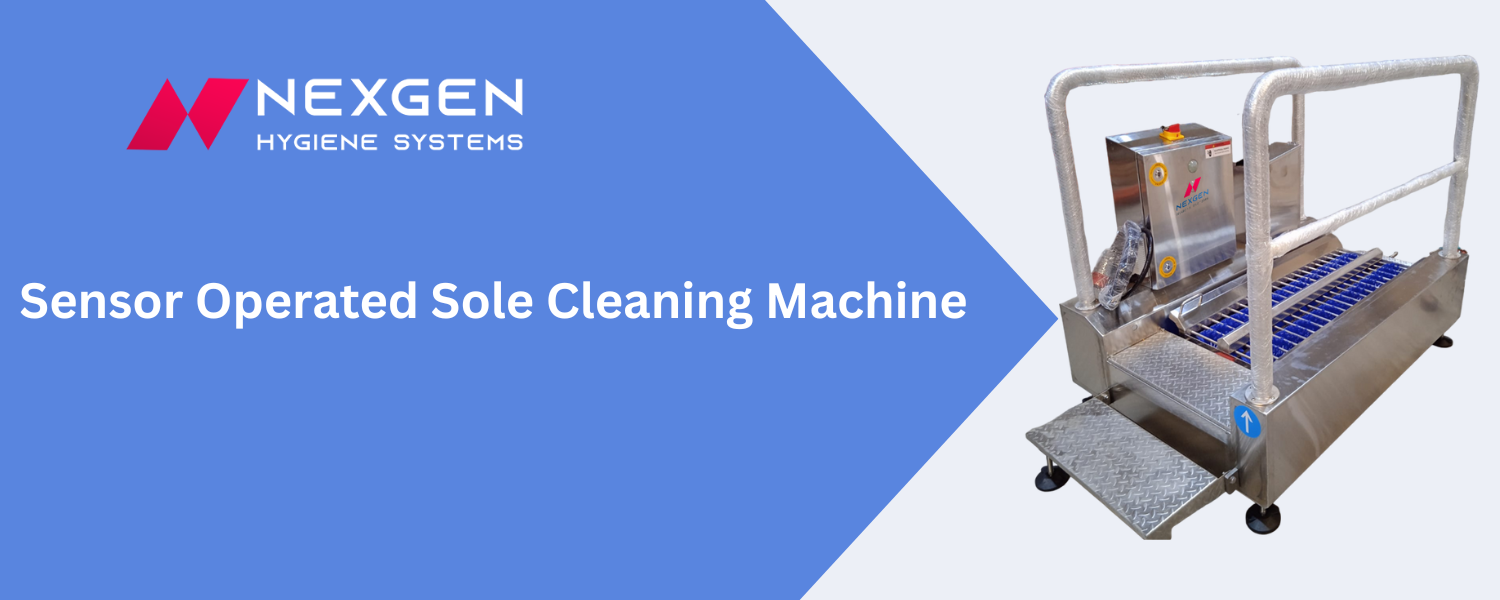
The future of sole cleaning lies in automation, and sensor-operated sole cleaning machines are leading the way. These advanced machines offer several advantages over traditional manual or non-automated cleaning systems:
Automatic Operation
With sensor-operated machines, there’s no need for manual intervention. The machine automatically activates when a worker steps on the platform, ensuring a consistent, hands-free cleaning process every time. This reduces the need for operator supervision and ensures that hygiene protocols are followed consistently.
Higher Efficiency
Sensor-operated machines optimize energy use and reduce maintenance efforts. They are designed to deliver the right amount of cleaning power based on the worker’s movement, making them more efficient and environmentally friendly.
Hands-Free Usage
The ability to operate without touching any surfaces makes sensor-operated sole cleaners more hygienic, as there is no physical contact with the machine reducing cross-contamination risks.
How Sole Cleaning Machines Contribute to Overall Plant Hygiene Strategy
Sole cleaning machines are an integral part of a broader hygiene strategy in manufacturing plants. They fit seamlessly into the overall sanitation process, ensuring that not only workers’ footwear is clean but also that hand hygiene is addressed. Many modern sole cleaning systems also include hand disinfection features, further improving hygiene protocols.
By integrating sensor-operated sole cleaning machines into your plant’s entry points, you create a multi-layered sanitation approach that reduces the chances of contamination in production areas. These machines help ensure that all workers follow a strict hygiene protocol, from footwear cleaning to hand sanitizing, before they enter clean or sterile zones.
Conclusion
Hygiene in manufacturing plants is a critical factor in maintaining product quality, compliance, and workplace safety. Sole cleaning machines play an essential role in preventing the spread of contaminants and ensuring that employees maintain high hygiene standards before entering sensitive areas. With automation and sensor-operated models, these machines offer higher efficiency, lower operational costs, and more consistent results.
Investing in sole cleaning and sanitizing equipment is a smart choice for any manufacturing plant looking to improve hygiene, reduce contamination risks, and streamline their operations.
Let’s design the right system for your production line.
Let’s get started!FAQs
What is a sole cleaning machine, and how does it work?
A sole cleaning machine is a specialized device that removes dirt, dust, and contaminants from the soles of shoes before workers enter sensitive production areas. It typically uses a combination of brushes, air jets, and sanitizing solutions to clean and disinfect footwear automatically or manually.
What are the benefits of using a sensor-operated sole cleaning machine?
Sensor-operated sole cleaning machines offer hands-free operation, higher efficiency, and automatic activation. They reduce the need for manual intervention, saving time and labor costs while ensuring consistent hygiene standards.
How do sole cleaning machines help improve worker safety?
By removing dirt, oil, and contaminants from shoes, sole cleaning machines prevent slips, trips, and falls caused by unsafe walking conditions. This helps reduce workplace accidents and creates a safer environment for employees.
Are there any specific hygiene regulations that require sole cleaning machines in manufacturing?
Yes, industries like food processing, pharmaceuticals, and electronics often have strict hygiene regulations that require facilities to maintain contamination-free environments. Sole cleaning machines help meet these regulations by ensuring that footwear entering production areas is free of contaminants.