
An automatic shoe-cleaning machine effectively blocks contaminants before they reach your production line. In high-risk settings, these machines serve as critical control points for contamination, not just upgrades for hygiene. Whether in food factories or pharmaceutical plants, their clear benefit is protection against footwear-borne contamination at entry points.
While most facilities maintain smooth production, the real challenge often starts at the entry points, where hygiene is first breached.
Operators move between zones and carry dust, organic matter, moisture, and microbes on their shoes. Without a controlled system, this movement causes ongoing contamination that often goes unnoticed. Over time, this can lead to failed audits, inconsistent hygiene, and avoidable product risks.
Where Manual Systems Start Failing
Manual setups may seem good enough at first. Disinfectant mats, brushes, and wash points are common in many facilities. However, they depend on people following the process every time.
Yet when these methods meet real-world demands, their reliability quickly weakens.
During busy shifts, when many operators enter at once, speed becomes more important. Cleaning is often rushed, inconsistent, or skipped. Even when done, results are not always the same.
This gap between protocol and practice is where automatic solutions bring clear benefits.
An automatic boot-cleaning machine solves this problem by removing choice from the process. It makes the cleaning steps and results consistent every time.
What Changes with an Automatic Shoe Cleaning Machine
Although this change may seem minor, it fundamentally shifts compliance from individual reliance to process based reliance.
Rather than relying on oversight, the system guides all personnel through the same steps, removing individual choice from the process and embedding cleaning into the act of entering.
At a system level, this creates:
- Consistent cleaning outcomes across every operator
- Controlled access to production zones
- Reduced dependency on supervision and training
- Easier inspections and tracking of the process
For these reasons, most modern facilities now integrate footwear cleaning into hygiene station shoe-cleaning systems, rather than treating it as a separate activity.
How the System Works in Practice
Practically, the system’s installation focuses on where uncontrolled and controlled areas meet. It’s a critical point of contamination risk.
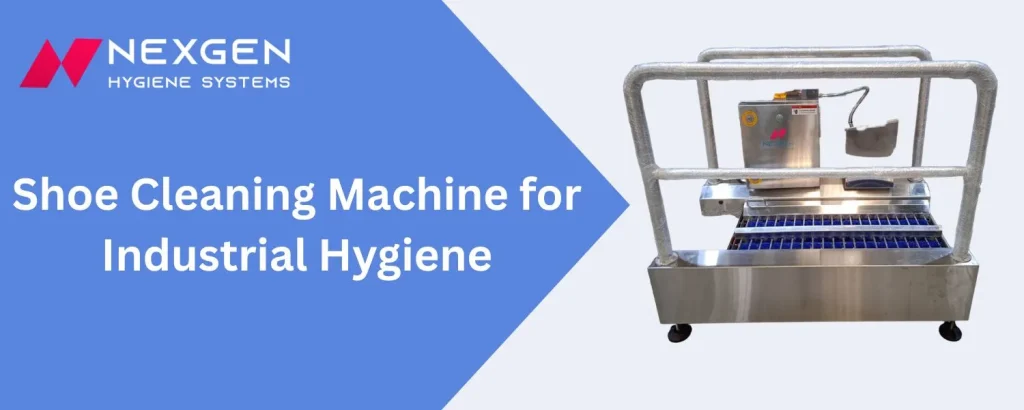
When operators reach the entry, they are guided into the cleaning unit. The machine’s rotating brushes remove visible debris from the soles and grooves, and a dosing system applies disinfectant to handle microbes.
The main feature is enforcement. Operators can only enter after the cleaning process is complete. Until then, access is blocked.
This is why a shoe sole cleaning machine acts as a compliance tool, helping factories secure consistent hygiene and pass audits, not just clean footwear.
Manual vs Automatic Systems -The Real Difference
| Evaluation Factor | Manual Hygiene Processes | Automated and Semi-Automated Hygiene Systems |
|---|---|---|
| Process Control | Depends on operator behavior | Built into the system design |
| Cleaning Consistency | Varies by individual | Uniform across all users |
| Throughput Handling | Struggles during peak shifts | Handles continuous flow efficiently |
| Audit Readiness | Requires justification | Demonstrates control |
| Risk of Bypass | High | Designed to prevent bypass |
Ultimately, the difference between manual and automatic systems goes further than day-to-day operations; it’s embedded in their reliability and design philosophy.
Where These Systems Deliver the Most Value
In food processing, footwear often carries contaminants from raw-handling zones into finished-product areas. A shoe-cleaning machine for food factory setups creates a defined hygiene barrier, reducing cross-contamination risk at its source.
In medicine factories where strict cleanroom rules are required, a boot-cleaning system designed for this industry helps meet these standards by making entry steps the same for everyone.
FMCG and beverage plants have a different challenge: scale. Large teams working in shifts need systems that maintain high hygiene standards without slowing things down. Automated cleaning systems help by keeping operations fast and consistent.
In all these industries, the main issue is not what is being made, but the need for reliable hygiene at entry points.
What Makes a System Suitable for Industrial Use
Not every cleaning unit works well in tough industrial settings. The real difference is how the system manages constant use, different types of contamination, and busy times with many workers.
A reliable industrial shoe cleaning machine is typically defined by:
- Robust stainless steel construction for durability and hygiene
- Brush configurations designed for deep sole cleaning
- Controlled chemical dosing for consistent disinfection
- Entry design that enforces process completion
- Capacity to handle peak shift throughput without delays
These are not just extra features. They directly affect performance, especially in busy facilities.
Why Integration Is More Important Than Equipment
Cleaning footwear alone only addresses part of the problem.
A full employee hygiene station equipment includes hand washing, sanitizing, and controlled entry; it works much better. This approach works much better because each step supports the next, creating a smooth hygiene process instead of separate actions.
This is especially important for facilities that are upgrading or building new lines. In many industrial hygiene station projects in India, integration is now considered standard rather than an extra feature.
How to Choose the Right System Without Over-engineering
Choosing the right system often goes wrong when people focus only on technical details rather than on how the system will actually be used.
A better approach is to start with the real needs of your operation:
- How many operators enter during peak shifts
- What type of contamination is most common
- Whether the system needs to integrate with existing hygiene infrastructure
Once you know these factors, choosing a system becomes easier and works better in the long run.
Conclusion
Footwear contamination is a frequent risk in many industries. Automatic shoe-cleaning machines address this by establishing reliable contamination control at the entry point, turning variable outcomes into consistent hygiene results and enabling process-driven compliance rather than manual supervision.
If you depend on manual cleaning or operator discipline, there is already a hygiene gap. Upgrading to an integrated hygiene station shoe cleaning system directly ensures reliable protection for your production environment from the moment personnel enter.
Contact our team now to book your personalized demo and explore tailored customization options that will secure your facility’s hygiene standards.
FAQs
A boot cleaning system is typically designed for heavy-duty industrial environments and may include side and sole cleaning, while a shoe sole cleaning machine for factories focuses specifically on cleaning the bottom surface of footwear.
What is an automatic shoe cleaning machine used for?
An automatic shoe cleaning machine is used to clean and disinfect footwear soles before personnel enter controlled production areas. It helps prevent contamination across industries such as food processing, pharmaceuticals, and FMCG manufacturing.
How does an industrial shoe cleaning machine improve hygiene compliance?
An industrial shoe cleaning machine enforces a standardized cleaning process through mechanical brushing and chemical dosing. In advanced systems, entry is restricted until the cleaning cycle is completed, ensuring consistent compliance.
Is a shoe cleaning machine necessary for food factories?
Yes. A shoe-cleaning machine for food factory environments helps prevent cross-contamination between raw and processed zones, which is critical for meeting hygiene standards such as BRC and FSMA.
What is the difference between a boot cleaning system and a shoe sole cleaning machine?
A boot cleaning system is typically designed for heavy-duty industrial environments and may include side and sole cleaning, while a shoe sole cleaning machine for factories focuses specifically on cleaning the bottom surface of footwear.
Are automatic shoe cleaning machines suitable for the pharmaceutical industry?
Yes. A boot-cleaning system for the pharma industry is designed to meet GMP requirements, ensuring that personnel entering cleanrooms follow standardized hygiene protocols.